

MiniArt
MiniArt Manufacturers Highly Detailed Plastic Model Kits in Ukraine. We are proud to carry their WW II Military Miniatures, Vehicles, Diorama Accessories and Historical Figures.
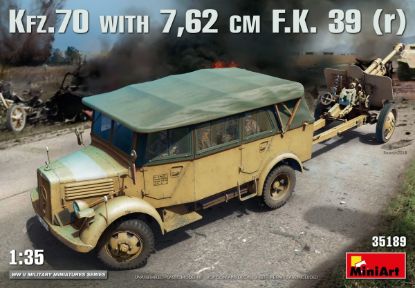
Kfz.70 & 7,62 cm F.K. 39 ( r )
MiniArt 35189
The Krupp Protze (Kfz.70 - Standard configuration for personnel carrying) was a six-wheeled 6×4 German truck and artillery tractor produced between 1934 and 1941 and heavily used in World War II. It was powered by a 4-cylinder, 55 hp or, from 1936, 60 hp Krupp M 304 petrol engine. Its main purpose was to tow artillery, especially the 3.7 cm Pak 36 anti-tank gun (designated Kfz 69), and transport motorized infantry (designated Kfz 70).
$50.00
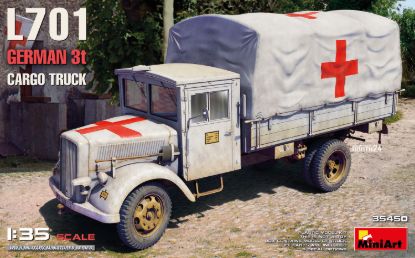
L701 Germany 3t Cargo Truck
MiniArt 35450
The Mercedes-Benz L701 was a licensed reproduction of the Opel Blitz 3-tonne truck, produced under the instruction of the German government.
$56.00
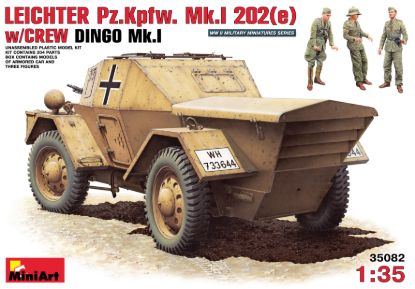
Leichter Pz.Kpfw. MkI 202(e) w/crew
MiniArt 35082
The Daimler Dingo, a variant of the Pz.Kmpf. Mk.I 202(e), was used by the Germans during the war, where it was transformed into the Pz.Kpfw.Mk.I 202. The Dingo's success in combat led to its continued use by various nations, including Cyprus, Portugal, and Sri Lanka, until the mid-1950s.
$36.00
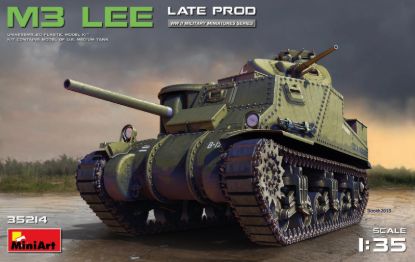
M3 Lee Late Prod.
MiniArt 35214
The M3 Lee, officially Medium Tank, M3, was an American medium tank used during World War II. The turret was produced in two different forms, one for US needs and one modified to British requirements to place the radio next to the commander. In British Commonwealth service, the tank was called by two names: tanks employing US-pattern turrets were called "Lee", named after Confederate general Robert E. Lee, while those with British-pattern turrets were known as "Grant", named after Union general Ulysses S. Grant.
$55.00
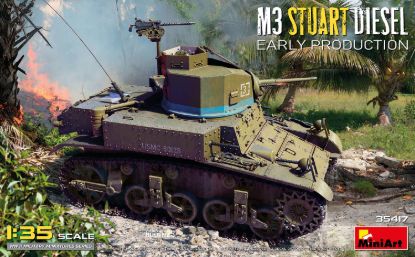
M3 Stuart Diesel Early Prod.
MiniArt 35417
The M3 Stuart/light tank M3 was a US light tank of World War II first introduced into service in the British Army in early 1941.
$51.00
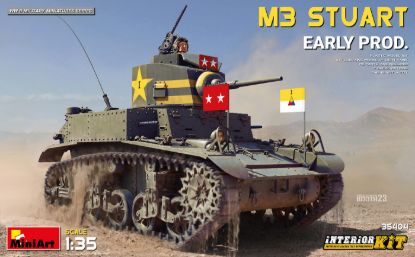
M3 Stuart Early Prod. Interior Kit
MiniArt 35404
The M3 Stuart/light tank M3 was a US light tank of World War II first introduced into service in the British Army in early 1941.
$63.00
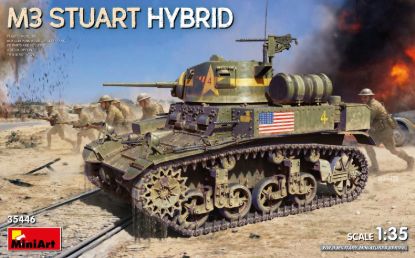
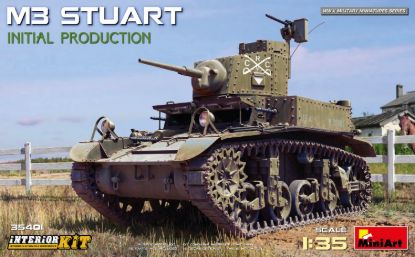
M3 Stuart Initial Prod. Interior Kit
MiniArt 35401
The M3 Stuart/light tank M3 was a US light tank of World War II first introduced into service in the British Army in early 1941.
$63.00
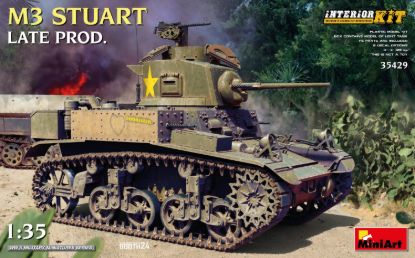
M3 Stuart Late Prod. Interior Kit
MiniArt 35429
The M3 Stuart/light tank M3 was a US light tank of World War II first introduced into service in the British Army in early 1941.
$65.00
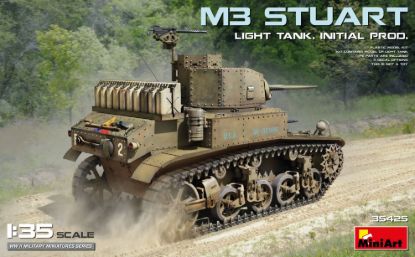
M3 Stuart Light Tank. Initial Prod.
MiniArt 35425
The M3 Stuart/light tank M3 was a US light tank of World War II first introduced into service in the British Army in early 1941.
$55.00
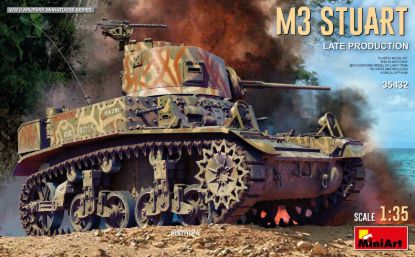
M3 Stuart Light Tank. Late Prod.
MiniArt 35432
The M3 Stuart/light tank M3 was a US light tank of World War II first introduced into service in the British Army in early 1941.
$52.00
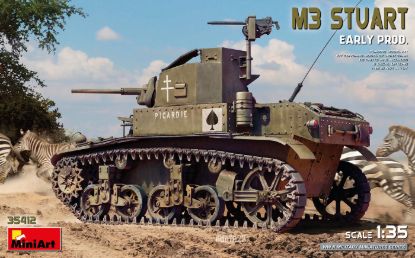
M3 Stuart. Early Prod.
MiniArt 35412
The M3 Stuart/light tank M3 was a US light tank of World War II first introduced into service in the British Army in early 1941.
$51.00
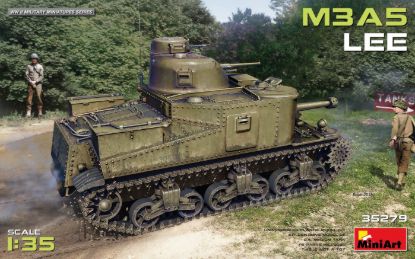
M3A5 Lee
MiniArt 35279
The M3A5 medium tank upgrades included, Diesel-engined variant with rivetted hull; Twin GM 6-71 diesel engines coupled together to make the GM6046 powerpack; Side doors welded shut or later eliminated. 591 M3A3 medium tanks were built, 387 as Grant IIs, 23 supplied to Brazil.
$56.00
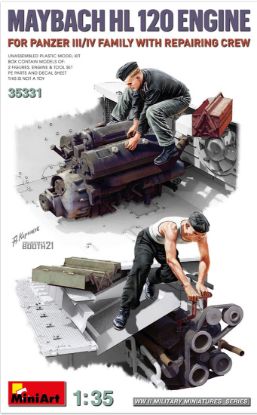
Maybach HL 120 Engine for Panzer III/IV Family w/Repair Crew
MiniArt 35331
In order to rationalise Germany's military vehicle production, sweeping changes were made to its entire automotive industry. The re-organisation was overseen by Oberbaurat Heinrich Ernst Kniepkamp, head of Wa.Prüf. 6 of the Heereswaffenamt (HWA). By late October 1935, Maybach had been designated the sole designer and manufacturer of tank and half-track engines for the entire Wehrmacht.
$20.00
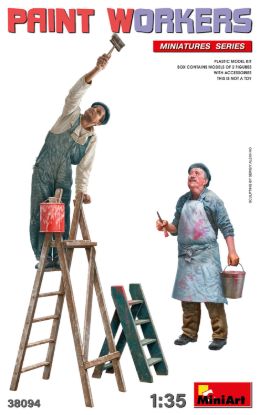
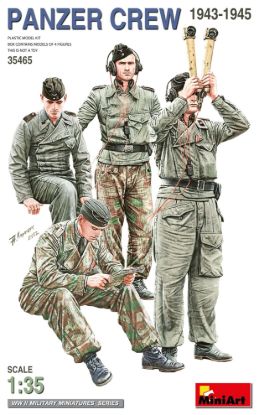
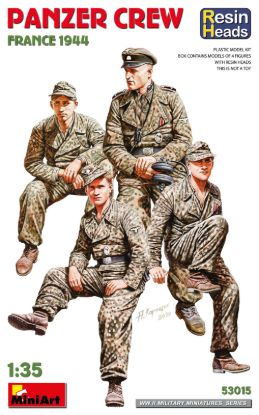
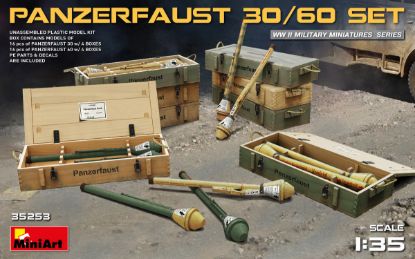
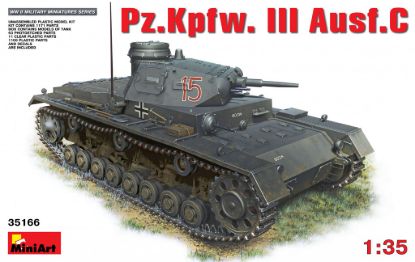
Pz. Kpfw. III Ausf С
MiniArt 35166
The Sd.Kfz. 141, also known as the Panzer III, was a medium tank developed by Germany in the 1930s. It was intended to engage other armored fighting vehicles and serve alongside the Panzer IV, which was designed for infantry support.
$55.00
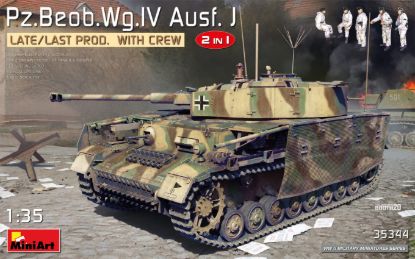
Pz.Beob.Wg.IV Ausf. J Late/Last Prod. 2 in 1 w/Crew
MiniArt 35344
The Panzerbeobachtungswagen IV (Pz. Beob. Wg. IV) was an artillery observation vehicle built on the Panzer IV chassis. This, too, received new radio equipment and an electrical generator, installed in the left rear corner of the fighting compartment. Panzerbeobachtungswagen worked in cooperation with Wespe and Hummel self-propelled artillery batteries.
$58.00
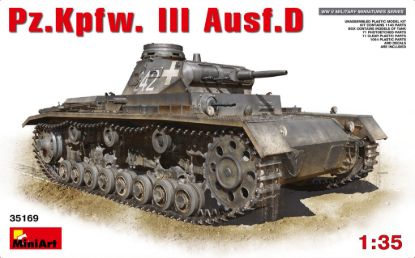
Pz.Kpfw.3 Ausf.D
MiniArt 35169
The Sd.Kfz. 141, also known as the Panzer III, was a medium tank developed by Germany in the 1930s. It was intended to engage other armored fighting vehicles and serve alongside the Panzer IV, which was designed for infantry support.
$55.00
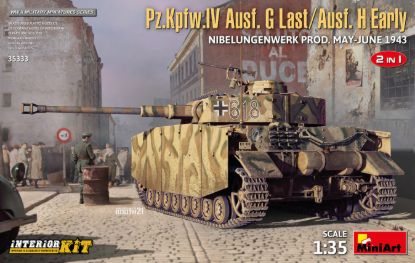
Pz.Kpfw.IV Ausf. G-Last/H-Early Nibelungenwerk Prod. (May-June 1943) 2in1 Interior Kit
MiniArt 35333
The Panzer IV was originally intended to be used only on a limited scale, so initially Krupp was its sole manufacturer. Prior to the Polish campaign, only 217 Panzer IVs had been produced: 35 Ausf. A; 42 Ausf. B; and 140 Ausf. C; in 1941, production was extended to Vogtländische Maschinenfabrik ("VOMAG") (located in the city of Plauen) and the Nibelungenwerk in the Austrian city of St. Valentin.
$76.00
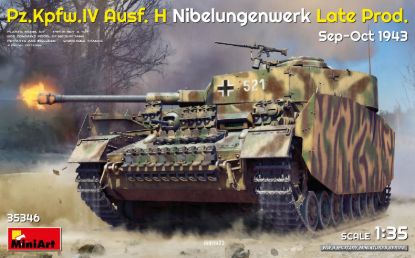
Pz.Kpfw.IV Ausf. H Nibelungenwerk Late Prod. (Sep-Oct 1943)
MiniArt 35346
The Panzer IV was originally intended to be used only on a limited scale, so initially Krupp was its sole manufacturer. Prior to the Polish campaign, only 217 Panzer IVs had been produced: 35 Ausf. A; 42 Ausf. B; and 140 Ausf. C; in 1941, production was extended to Vogtländische Maschinenfabrik ("VOMAG") (located in the city of Plauen) and the Nibelungenwerk in the Austrian city of St. Valentin.
$60.00
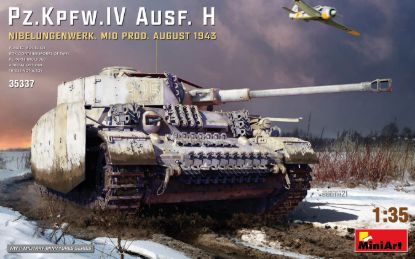
Pz.Kpfw.IV Ausf. H Nibelungenwerk. Mid Prod. (August 1943)
MiniArt 35337
The Panzer IV was originally intended to be used only on a limited scale, so initially Krupp was its sole manufacturer. Prior to the Polish campaign, only 217 Panzer IVs had been produced: 35 Ausf. A; 42 Ausf. B; and 140 Ausf. C; in 1941, production was extended to Vogtländische Maschinenfabrik ("VOMAG") (located in the city of Plauen) and the Nibelungenwerk in the Austrian city of St. Valentin.
$60.00
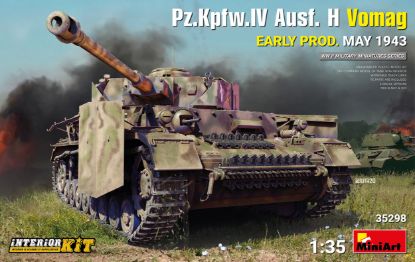
Pz.Kpfw.IV Ausf. H Vomag. Early Prod. (May 1943) Interior Kit
MiniArt 35298
The Sd.Kfz. 161, also known as the Panzer IV, was a medium tank developed in Nazi Germany in the late 1930s and used extensively during World War II as well as later wars. It was the most numerous German tank and the second-most numerous German fully tracked armored fighting vehicle of the war, with 8,553 units produced. The Panzer IV was initially designed for infantry support but evolved to become the primary tank for German forces due to its ability to engage enemy armor effectively. It was the only German tank to remain in continuous production throughout the war, with over 8,800 units produced between 1936 and 1945.
$76.00