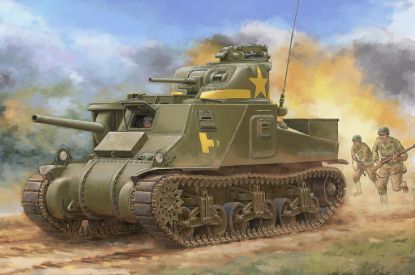
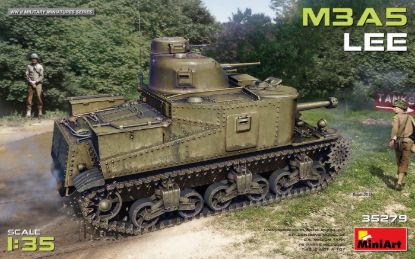
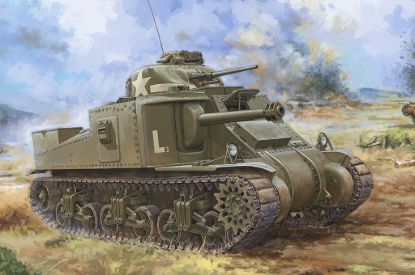
The M3A5 medium tank upgrades included, Diesel-engined variant with rivetted hull; Twin GM 6-71 diesel engines coupled together to make the GM6046 powerpack; Side doors welded shut or later eliminated. 591 M3A3 medium tanks were built, 387 as Grant IIs, 23 supplied to Brazil.
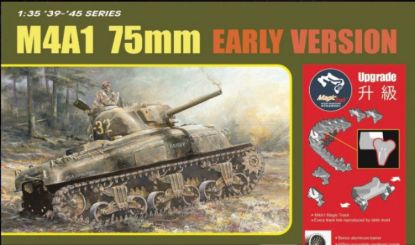
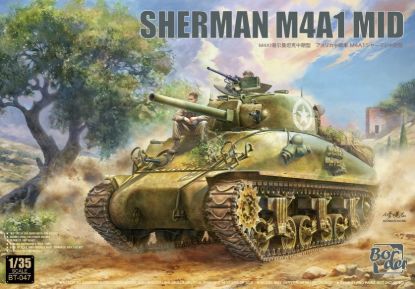
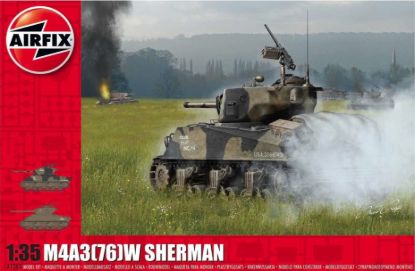
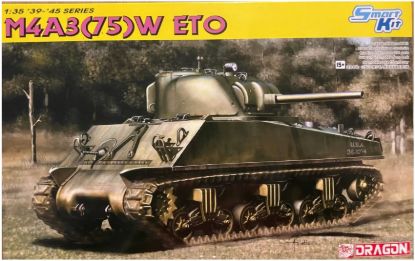
The M4 Sherman, officially Medium Tank, M4, was the medium tank most widely used by the United States and Western Allies in World War II. The M4 Sherman proved to be reliable, relatively cheap to produce, and available in great numbers. It was also the basis of several other armored fighting vehicles including self-propelled artillery, tank destroyers, and armored recovery vehicles.
The M4 Sherman, officially Medium Tank, M4, was the medium tank most widely used by the United States and Western Allies in World War II. The M4 Sherman proved to be reliable, relatively cheap to produce, and available in great numbers. It was also the basis of several other armored fighting vehicles including self-propelled artillery, tank destroyers, and armored recovery vehicles.
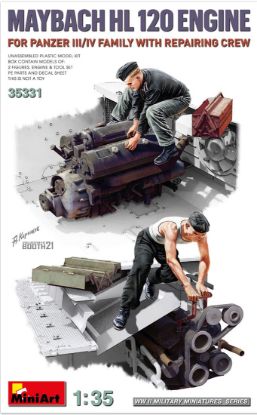
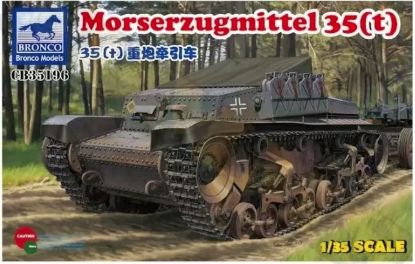
In order to rationalise Germany's military vehicle production, sweeping changes were made to its entire automotive industry. The re-organisation was overseen by Oberbaurat Heinrich Ernst Kniepkamp, head of Wa.Prüf. 6 of the Heereswaffenamt (HWA). By late October 1935, Maybach had been designated the sole designer and manufacturer of tank and half-track engines for the entire Wehrmacht.
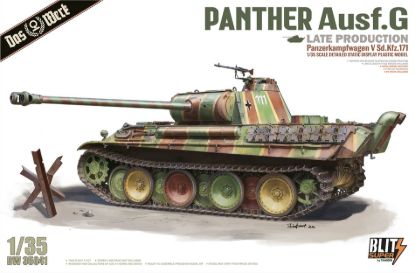
The Panther I Ausf G was the final version of the Panther to enter production during the Second World War, and was produced in larger numbers than the previous two versions combined.
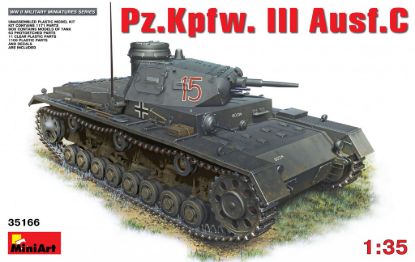
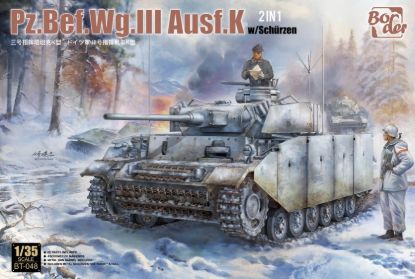
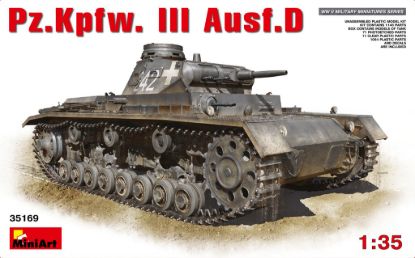
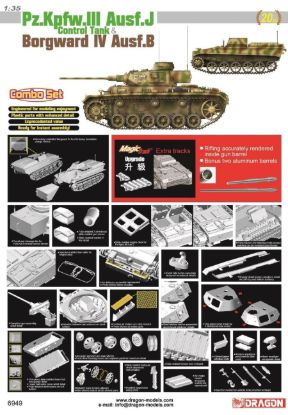
The Sd.Kfz. 141, also known as the Panzer III, was a medium tank developed by Germany in the 1930s. It was intended to engage other armored fighting vehicles and serve alongside the Panzer IV, which was designed for infantry support.
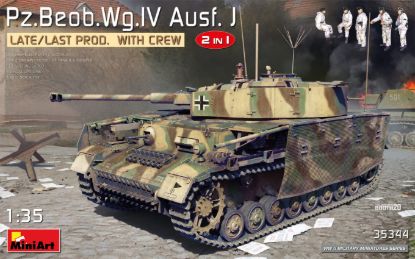
The Panzerbeobachtungswagen IV (Pz. Beob. Wg. IV) was an artillery observation vehicle built on the Panzer IV chassis. This, too, received new radio equipment and an electrical generator, installed in the left rear corner of the fighting compartment. Panzerbeobachtungswagen worked in cooperation with Wespe and Hummel self-propelled artillery batteries.
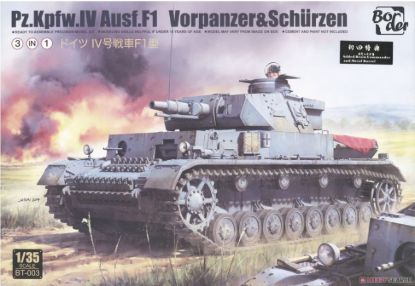
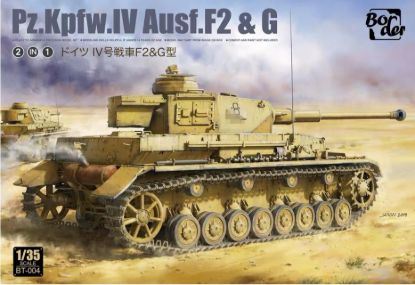
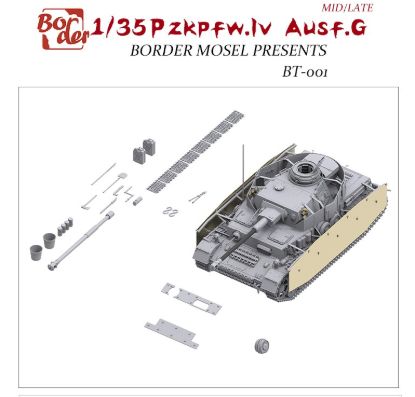
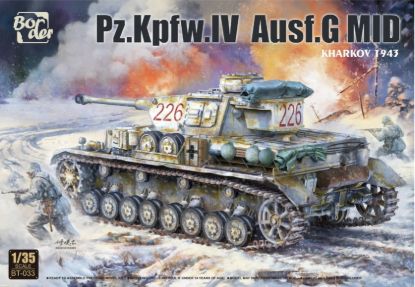
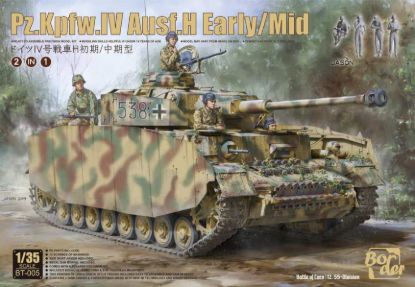
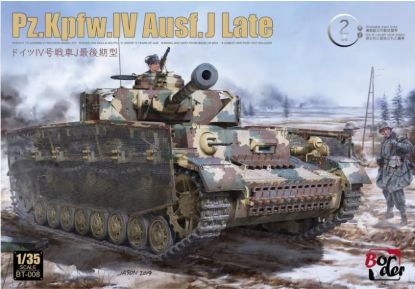
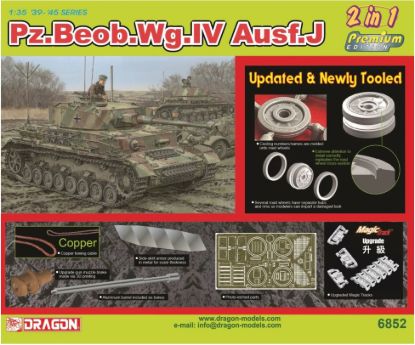
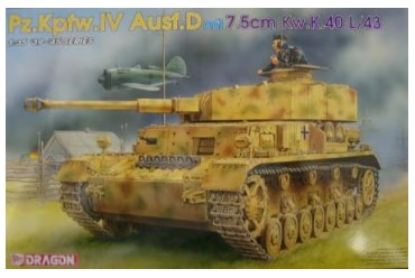
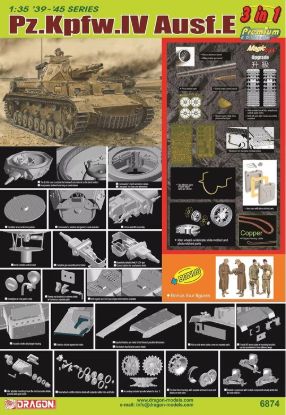
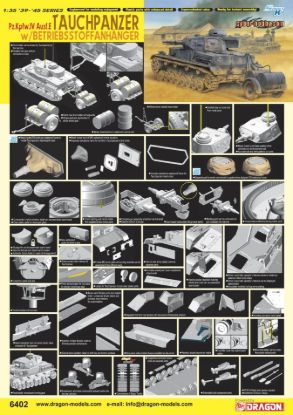
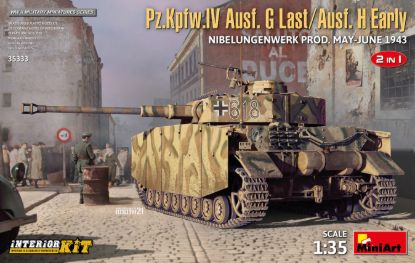
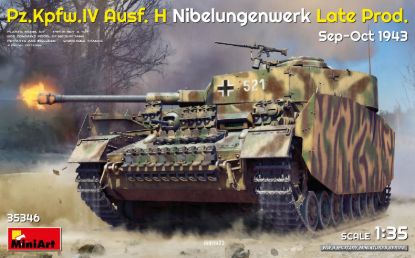
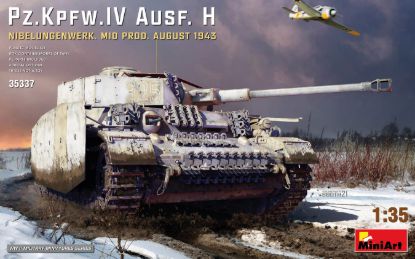
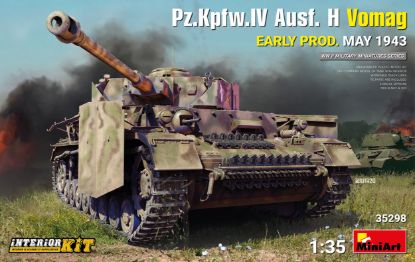
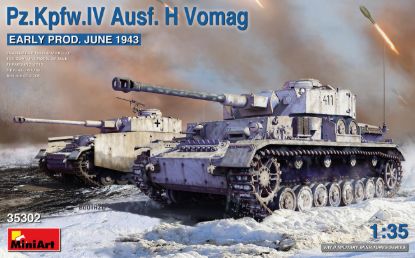
The Sd.Kfz. 161, also known as the Panzer IV, was a medium tank developed in Nazi Germany in the late 1930s and used extensively during World War II as well as later wars. It was the most numerous German tank and the second-most numerous German fully tracked armored fighting vehicle of the war, with 8,553 units produced. The Panzer IV was initially designed for infantry support but evolved to become the primary tank for German forces due to its ability to engage enemy armor effectively. It was the only German tank to remain in continuous production throughout the war, with over 8,800 units produced between 1936 and 1945.
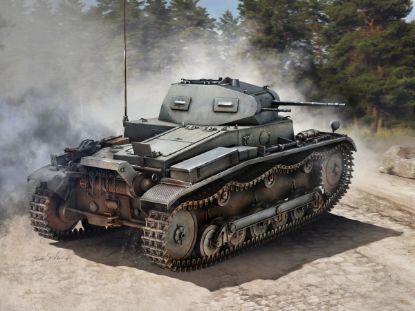
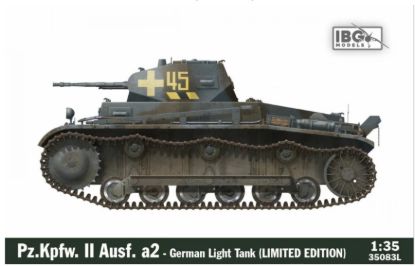
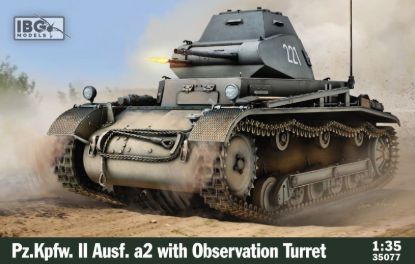
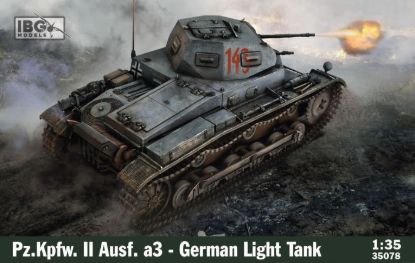
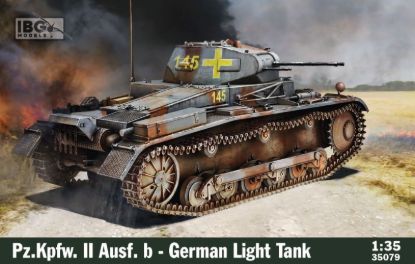
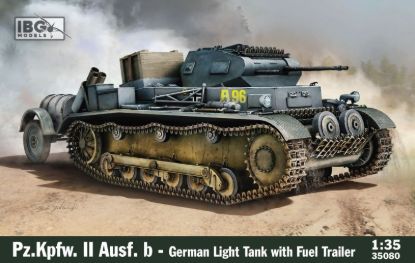
Although the vehicle had originally been designed as a stopgap while larger, more advanced tanks were developed, it nonetheless went on to play an important role in the early years of World War II, during the Polish and French campaigns. The Panzer II was the most numerous tank in the German Panzer divisions at the beginning of the war. It was used both in North Africa against the Western Allies and on the Eastern Front against the Soviet Union.
Although the vehicle had originally been designed as a stopgap while larger, more advanced tanks were developed, it nonetheless went on to play an important role in the early years of World War II, during the Polish and French campaigns. The Panzer II was the most numerous tank in the German Panzer divisions at the beginning of the war. It was used both in North Africa against the Western Allies and on the Eastern Front against the Soviet Union.
Although the vehicle had originally been designed as a stopgap while larger, more advanced tanks were developed, it nonetheless went on to play an important role in the early years of World War II, during the Polish and French campaigns. The Panzer II was the most numerous tank in the German Panzer divisions at the beginning of the war. It was used both in North Africa against the Western Allies and on the Eastern Front against the Soviet Union.
Although the vehicle had originally been designed as a stopgap while larger, more advanced tanks were developed, it nonetheless went on to play an important role in the early years of World War II, during the Polish and French campaigns. The Panzer II was the most numerous tank in the German Panzer divisions at the beginning of the war. It was used both in North Africa against the Western Allies and on the Eastern Front against the Soviet Union.
Although the vehicle had originally been designed as a stopgap while larger, more advanced tanks were developed, it nonetheless went on to play an important role in the early years of World War II, during the Polish and French campaigns. The Panzer II was the most numerous tank in the German Panzer divisions at the beginning of the war. It was used both in North Africa against the Western Allies and on the Eastern Front against the Soviet Union.
Although the vehicle had originally been designed as a stopgap while larger, more advanced tanks were developed, it nonetheless went on to play an important role in the early years of World War II, during the Polish and French campaigns. The Panzer II was the most numerous tank in the German Panzer divisions at the beginning of the war. It was used both in North Africa against the Western Allies and on the Eastern Front against the Soviet Union.
The Sd.Kfz. 161, also known as the Panzer IV, was a medium tank developed in Nazi Germany in the late 1930s and used extensively during World War II as well as later wars. It was the most numerous German tank and the second-most numerous German fully tracked armored fighting vehicle of the war, with 8,553 units produced. The Panzer IV was initially designed for infantry support but evolved to become the primary tank for German forces due to its ability to engage enemy armor effectively. It was the only German tank to remain in continuous production throughout the war, with over 8,800 units produced between 1936 and 1945.
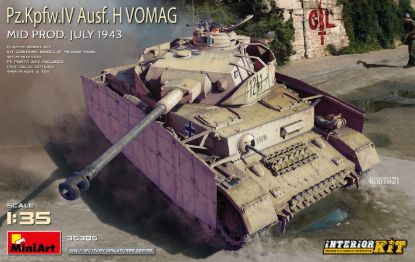
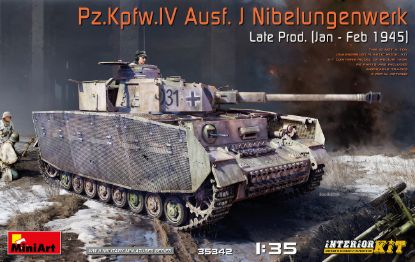
The Panzer IV was originally intended to be used only on a limited scale, so initially Krupp was its sole manufacturer. Prior to the Polish campaign, only 217 Panzer IVs had been produced: 35 Ausf. A; 42 Ausf. B; and 140 Ausf. C; in 1941, production was extended to Vogtländische Maschinenfabrik ("VOMAG") (located in the city of Plauen) and the Nibelungenwerk in the Austrian city of St. Valentin.
The Sd.Kfz. 141, also known as the Panzer III, was a medium tank developed by Germany in the 1930s. It was intended to engage other armored fighting vehicles and serve alongside the Panzer IV, which was designed for infantry support.
The Sd.Kfz. 141, also known as the Panzer III, was a medium tank developed by Germany in the 1930s. It was intended to engage other armored fighting vehicles and serve alongside the Panzer IV, which was designed for infantry support.
The Panzer IV was originally intended to be used only on a limited scale, so initially Krupp was its sole manufacturer. Prior to the Polish campaign, only 217 Panzer IVs had been produced: 35 Ausf. A; 42 Ausf. B; and 140 Ausf. C; in 1941, production was extended to Vogtländische Maschinenfabrik ("VOMAG") (located in the city of Plauen) and the Nibelungenwerk in the Austrian city of St. Valentin.
The Panzer IV was originally intended to be used only on a limited scale, so initially Krupp was its sole manufacturer. Prior to the Polish campaign, only 217 Panzer IVs had been produced: 35 Ausf. A; 42 Ausf. B; and 140 Ausf. C; in 1941, production was extended to Vogtländische Maschinenfabrik ("VOMAG") (located in the city of Plauen) and the Nibelungenwerk in the Austrian city of St. Valentin.
The Panzer IV was originally intended to be used only on a limited scale, so initially Krupp was its sole manufacturer. Prior to the Polish campaign, only 217 Panzer IVs had been produced: 35 Ausf. A; 42 Ausf. B; and 140 Ausf. C; in 1941, production was extended to Vogtländische Maschinenfabrik ("VOMAG") (located in the city of Plauen) and the Nibelungenwerk in the Austrian city of St. Valentin.
The Sd.Kfz. 161, also known as the Panzer IV, was a medium tank developed in Nazi Germany in the late 1930s and used extensively during World War II as well as later wars. It was the most numerous German tank and the second-most numerous German fully tracked armored fighting vehicle of the war, with 8,553 units produced. The Panzer IV was initially designed for infantry support but evolved to become the primary tank for German forces due to its ability to engage enemy armor effectively. It was the only German tank to remain in continuous production throughout the war, with over 8,800 units produced between 1936 and 1945.
The Sd.Kfz. 161, also known as the Panzer IV, was a medium tank developed in Nazi Germany in the late 1930s and used extensively during World War II as well as later wars. It was the most numerous German tank and the second-most numerous German fully tracked armored fighting vehicle of the war, with 8,553 units produced. The Panzer IV was initially designed for infantry support but evolved to become the primary tank for German forces due to its ability to engage enemy armor effectively. It was the only German tank to remain in continuous production throughout the war, with over 8,800 units produced between 1936 and 1945.
The Sd.Kfz. 161, also known as the Panzer IV, was a medium tank developed in Nazi Germany in the late 1930s and used extensively during World War II as well as later wars. It was the most numerous German tank and the second-most numerous German fully tracked armored fighting vehicle of the war, with 8,553 units produced. The Panzer IV was initially designed for infantry support but evolved to become the primary tank for German forces due to its ability to engage enemy armor effectively. It was the only German tank to remain in continuous production throughout the war, with over 8,800 units produced between 1936 and 1945.
The Panzer IV was originally intended to be used only on a limited scale, so initially Krupp was its sole manufacturer. Prior to the Polish campaign, only 217 Panzer IVs had been produced: 35 Ausf. A; 42 Ausf. B; and 140 Ausf. C; in 1941, production was extended to Vogtländische Maschinenfabrik ("VOMAG") (located in the city of Plauen) and the Nibelungenwerk in the Austrian city of St. Valentin.