he Battle of Monte Cassino was one of the hardest-fought campaigns of the Italian front during WWII.
From January to May 1944, Allied forces fought to break through the German Gustav Line, a heavily defended position blocking the road north to Rome. At the center of the battlefield stood the historic monastery of Monte Cassino, overlooking the surrounding valleys and roads below.
The terrain made the battle especially brutal. Steep hills, narrow approaches, rocky ground, destroyed buildings, and heavily fortified German positions turned every advance into a costly struggle. Infantry, armor, artillery, engineers, and support units all played a role — but progress came slowly.
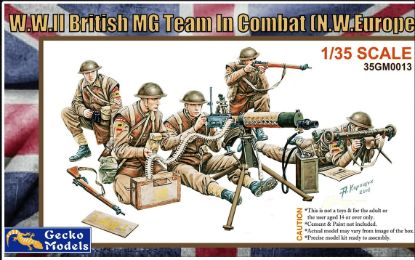
The fighting was not one single battle, but a series of repeated assaults involving troops from many Allied nations, including British, American, New Zealand, Indian, French, Polish, and other forces. German paratroopers and defenders used the ruins, ridgelines, and mountain positions to create a deadly defensive zone.
By May 1944, after months of fighting, Allied forces finally broke through. The Polish II Corps raised its flag over the ruins of the monastery, and the road to Rome was opened.
Monte Cassino remains one of the most powerful examples of how terrain, defensive planning, and determination can shape a battlefield.