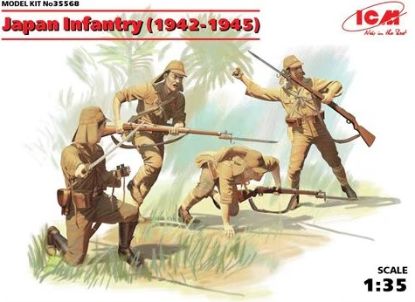
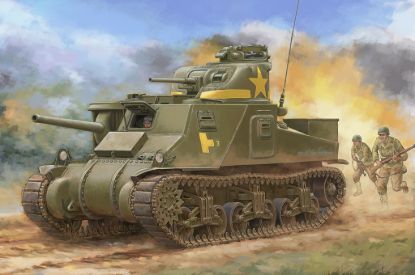
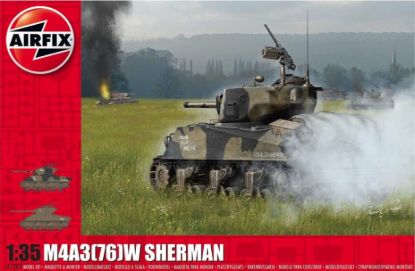
Pacific Theater. May 1945. Okinawa. Jungle. Hills. Close combat.
By May 1945, the Battle of Okinawa had become one of the final and most intense campaigns of the Pacific War.
Okinawa was strategically important because it gave Allied forces a potential staging area close to mainland Japan. U.S. forces landed on the island in April 1945, but by May the fighting had turned into a brutal ground campaign against deeply dug-in Japanese defenses.
Unlike earlier island battles focused heavily on beach landings, much of Okinawa became a fight through ridgelines, caves, villages, mud, and fortified positions. Infantry, tanks, artillery, flamethrowers, engineers, and naval support all played a role as Allied forces pushed south against heavy resistance.
The campaign was costly and exhausting. Rain turned the battlefield into mud, movement slowed, and every ridge or cave system could become another defensive strongpoint.
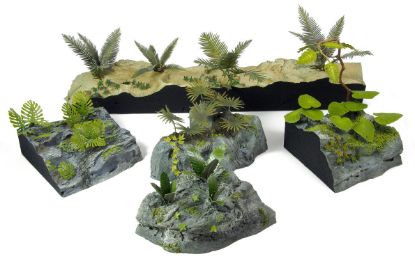
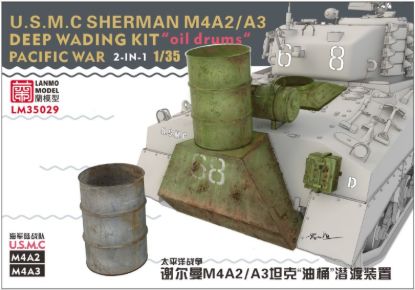
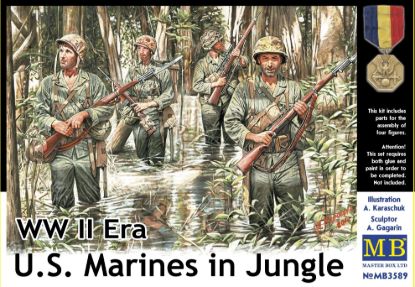
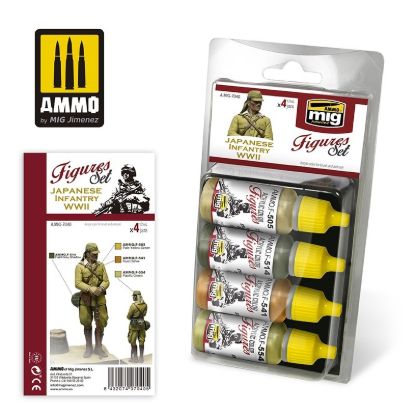
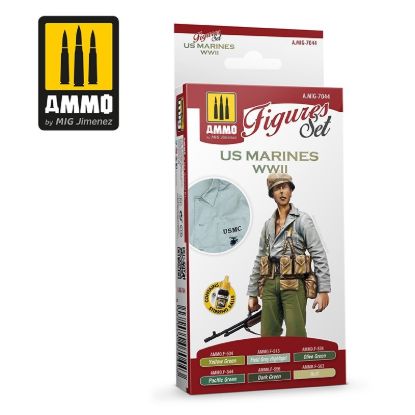
For modelers, Okinawa offers powerful build inspiration: worn U.S. armor, infantry moving through muddy terrain, Japanese defensive positions, cave entrances, destroyed villages, palm trees, jungle growth, artillery scars, and close-combat scenes where the terrain becomes part of the story.
This is Pacific Theater modeling at its most intense — not just beaches and landing craft, but the hard inland fight that marked the final months of WWII.